


Mesh Complications Patient Story 29
Sacral Colpopexy Mesh Abscess and Mesh Extrusion
Mesh Complications: Vaginal pain, lower abdominal pain, and recurrent infections
Treatment: Removal of sling
This patient is a 48-year-old woman with pelvic pain and recurrent urinary infections since her surgery in 2010. She had a hysterectomy for bleeding and minor issues with urinary leakage. Her surgeon recommended a sling to take care of the leakage stating, "Since we are going to be in there" and though the leakage wasn't severe she did agree to the sling. Since surgery, she has had issues with extreme pelvic and vaginal pain that radiates down into her legs and her buttocks. She also has had recurrent urinary tract infections. The pain has worsened over time. She cannot have sex secondary to pain, has a hard time sitting or standing for any periods of time, and had to quit work. She went back to her original doctor's office six times for infection and pain. Her healthcare provider repeatedly told her that she would get better.
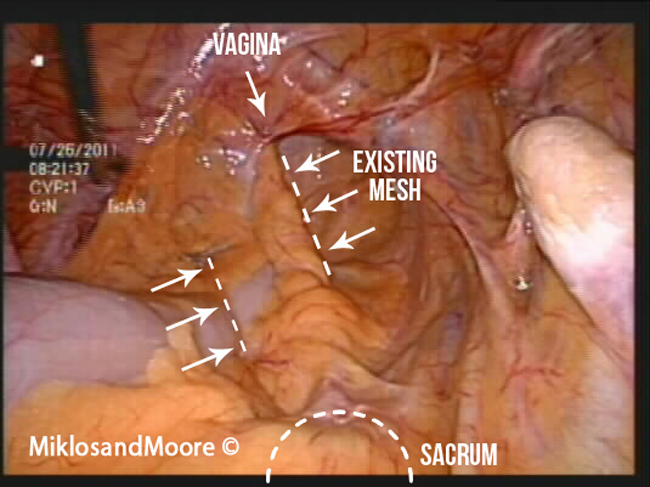
Figure 1: Ajust Mini sling shown here prior to surgical placement
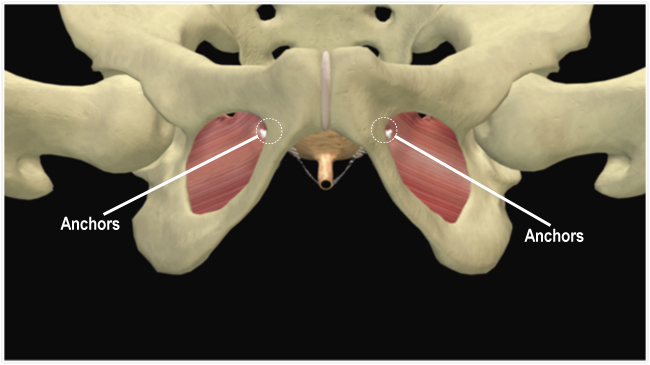
Figure 2: This illustration shows the position and placement of the Mini sling
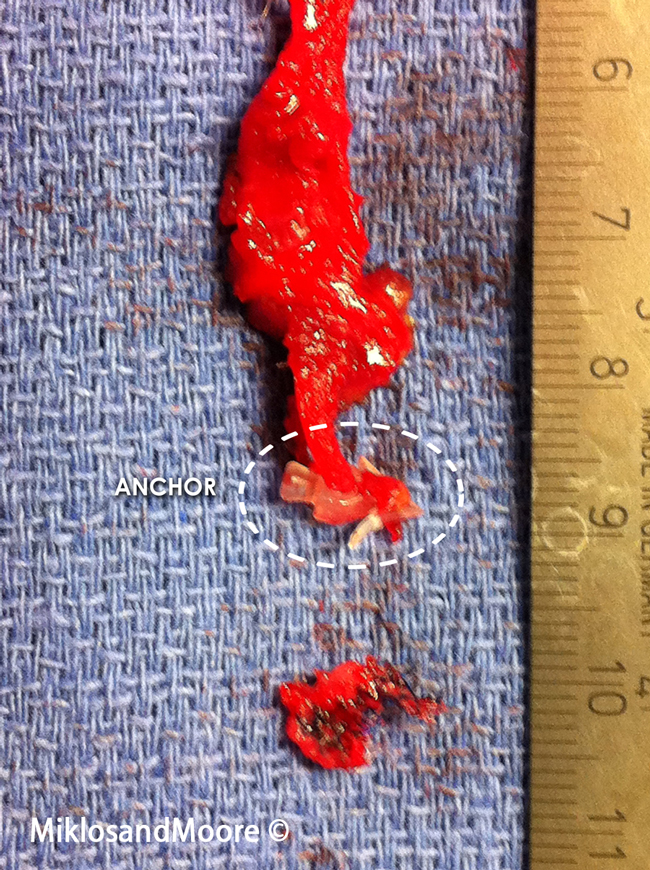
Figure 3 : Picture of the entire Ajust sling removed from the patient. Note that the anchors were removed on both sides of the sling
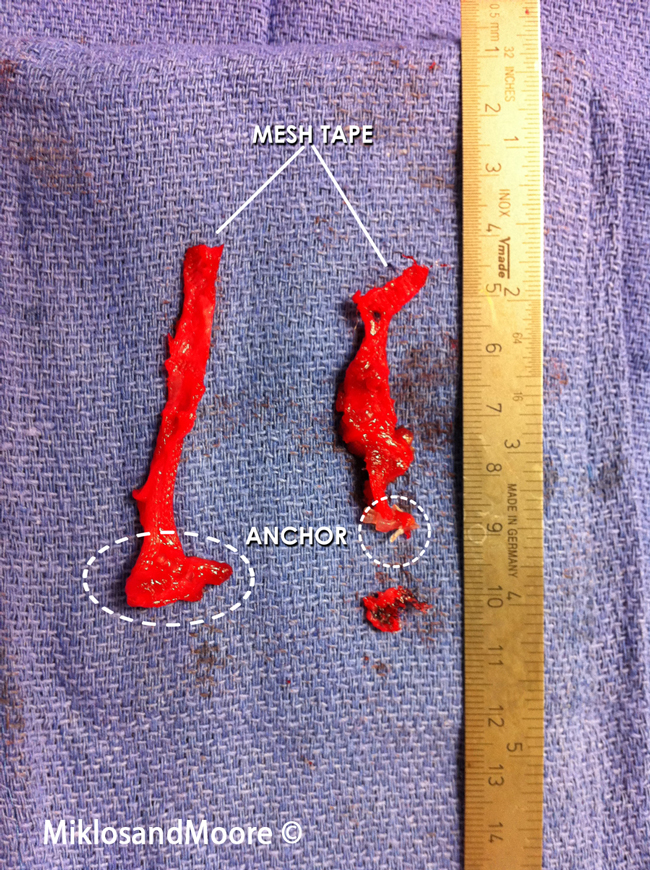
Figure 4: A close up of the arrowhead like anchor on the removed Ajust sling
The patient consulted Drs. Moore and Miklos secondary to their expertise with slings for urinary leakage as well as mesh complications. It was evident upon patient examination that the sling was the source of her pain and discomfort. The sling area could not be touched without causing the patient extreme pain. Tension could be felt and she had more pain on each side of the vagina where the sling was anchored into the pelvic sidewall muscles. The Ajust sling has a somewhat large anchoring device that may have been causing the pain (see picture below).
Drs. Moore and Miklos took the patient to surgery and removed the entire Ajust sling including the anchors that were attached to the obturator muscles on each side. The patient did very well. She is free of pain and has had no reoccurring urinary tract infections.
Comment Drs. Miklos and Moore: The Mini sling for treatment of female stress urinary incontinence is the latest evolution of the tension-free vaginal tape sling. It is the least invasive sling available for treatment of SUI and in essence is a TOT sling, however, it eliminates the need for passage of needles or mesh through the groin, which reduces the risk of groin or leg pain. It has found to be successful in many studies. Drs. Moore and Miklos utilize the minisling and have written several papers concerning the Mini-Arc sling (click here to view) and have had excellent clinical success with the sling. Note with ANY surgical procedure risks are present and complications can occur. The most important factors are that these complications are recognized and treated, or a referral is made to an expert who is well versed in complicated cases.
Click here to find out more about Sacralcolpopexy Mesh complications.
Click here to find out more about Mini Sling complications.
Click here for related patient stories